Malta Proposes DeFi Rulebook Covering DAOs Under MiCA-Era Framework

Malta’s regulator is seeking industry feedback on a proposed legal framework for software-governed organizations, including DAOs. The proposal reflects the regulator’s view that many DeFi projects are not fully decentralized.

Malta Proposes DeFi Rulebook Covering DAOs Under MiCA-Era Framework

What happened?

Malta’s regulator is seeking industry feedback on a proposed legal framework for software-governed organizations, including DAOs. The proposal reflects the regulator’s view that many DeFi projects are not fully decentralized.

Why it matters

The consultation process gives industry participants an opportunity to respond before any final framework is adopted. For the broader crypto ecosystem, Malta’s proposal adds to the ongoing debate over how DeFi and DAO-based organizations should fit into formal regulatory systems without treating every project as fully centralized or fully decentralized.

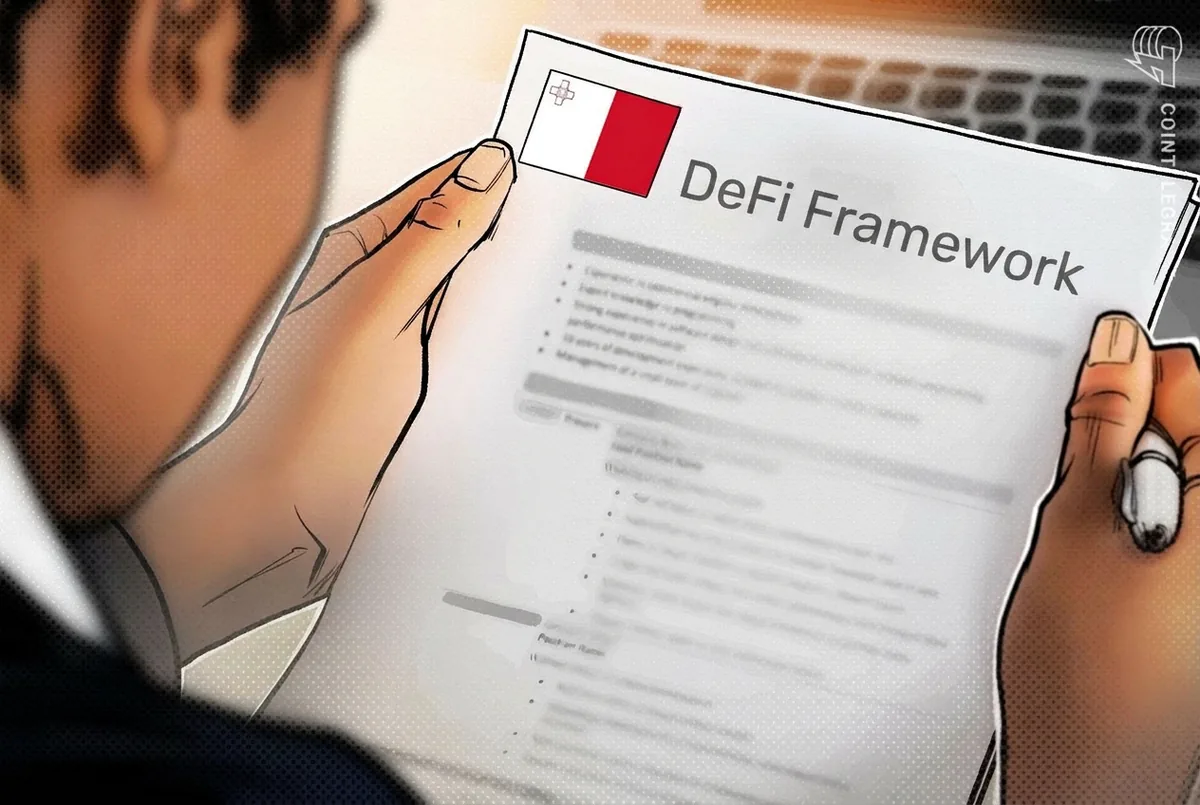
Malta’s financial regulator is seeking industry feedback on a proposed rulebook for software-governed organizations, including decentralized autonomous organizations. The framework is being presented in the context of Europe’s MiCA-era regulatory environment and is aimed at projects that operate through software-based governance structures.

The proposal matters because it signals how regulators may approach DeFi projects that claim decentralization but still rely on identifiable governance, development, or operational structures. For companies and protocol teams, the consultation could shape how software-governed organizations are classified and supervised in Malta.

According to the source material, the regulator argues that many DeFi projects are not fully decentralized. That position is central to the proposal, as it suggests authorities may look beyond a project’s branding and examine how decisions are actually made.

DAOs are a key part of the discussion because they are often used to coordinate protocol governance, treasury decisions, or community-led operations. A legal framework for such structures could create clearer expectations for projects operating in or from Malta.

The consultation process gives industry participants an opportunity to respond before any final framework is adopted. For the broader crypto ecosystem, Malta’s proposal adds to the ongoing debate over how DeFi and DAO-based organizations should fit into formal regulatory systems without treating every project as fully centralized or fully decentralized.

Source: Cointelegraph

Keep exploring

Related stories

Bitget to Leave Japan and Close Remaining Positions by Year-End

Bitget to Leave Japan and Close Remaining Positions by Year-End

Bitget plans to exit the Japanese market and close all remaining positions by the end of the year. The move adds to ongoing shifts among crypto companies navigating Japan’s regulatory environment.

Read
State of Crypto countdown highlights key industry developments

State of Crypto countdown highlights key industry developments

CoinDesk’s State of Crypto coverage counts down recent developments shaping the crypto policy and market landscape. The report frames these changes as important for how companies and participants navigate the sector.

Read
Strategy Keeps STRC Dividend at 12%

Strategy Keeps STRC Dividend at 12%

Strategy said it is holding the dividend on its STRC preferred stock at 12%. The decision keeps the payout unchanged for investors in the company’s yield-focused security.

Read