US Government Orders Anthropic to Pull Claude Fable and Mythos Models

The U.S. government has ordered Anthropic to withdraw its Claude Fable and Mythos AI models. Anthropic pushed back, calling the move an overreach and arguing that the cited vulnerability is already common across the industry.

US Government Orders Anthropic to Pull Claude Fable and Mythos Models

What happened?

The U.S. government has ordered Anthropic to withdraw its Claude Fable and Mythos AI models. Anthropic pushed back, calling the move an overreach and arguing that the cited vulnerability is already common across the industry.

Why it matters

The development matters because it highlights a growing point of tension between AI companies and regulators: how governments should respond when a technical risk appears across an entire sector rather than within one company’s products alone. For readers tracking technology policy, the order signals that officials may be willing to take direct action against specific AI models even when companies argue the issue is systemic.

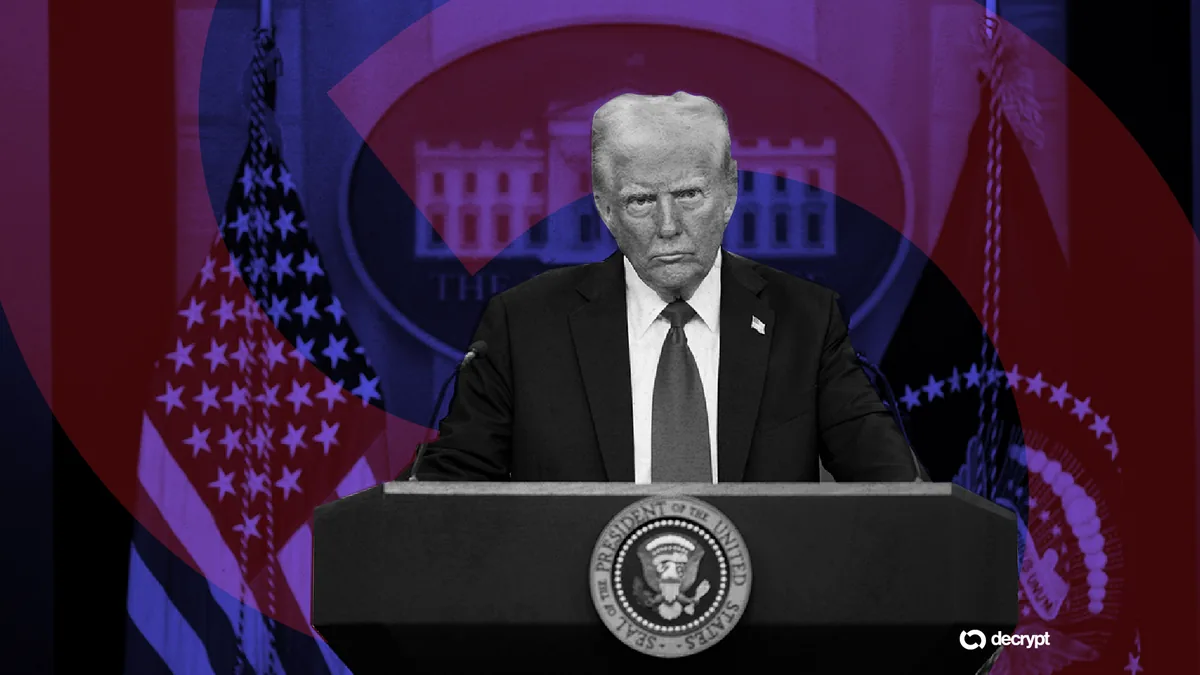
The U.S. government has ordered Anthropic to pull its Claude Fable and Mythos AI models, according to Decrypt. Anthropic disputed the action, saying the vulnerability cited by officials is not unique to its systems and is already widespread across the broader AI industry.

The development matters because it highlights a growing point of tension between AI companies and regulators: how governments should respond when a technical risk appears across an entire sector rather than within one company’s products alone. For readers tracking technology policy, the order signals that officials may be willing to take direct action against specific AI models even when companies argue the issue is systemic.

Anthropic framed the government’s move as overreach, pushing back against the idea that its models should be singled out for a vulnerability it says is already present elsewhere. The company’s response suggests a broader debate over responsibility, enforcement, and whether model providers should face targeted restrictions for problems that may affect competing systems as well.

The source material did not specify the exact vulnerability, the agency behind the order, or the timeline for removing the models. Without those details, the key confirmed point is the government order itself and Anthropic’s objection to the reasoning behind it.

For the AI industry, the case adds to the regulatory pressure surrounding advanced models and their deployment. It also underscores the importance of how technical risks are defined, attributed, and enforced as governments move from broad AI policy discussions toward concrete interventions.
Source: Decrypt

Keep exploring

Related stories

Bitget to Leave Japan and Close Remaining Positions by Year-End

Bitget to Leave Japan and Close Remaining Positions by Year-End

Bitget plans to exit the Japanese market and close all remaining positions by the end of the year. The move adds to ongoing shifts among crypto companies navigating Japan’s regulatory environment.

Read
State of Crypto countdown highlights key industry developments

State of Crypto countdown highlights key industry developments

CoinDesk’s State of Crypto coverage counts down recent developments shaping the crypto policy and market landscape. The report frames these changes as important for how companies and participants navigate the sector.

Read
Strategy Keeps STRC Dividend at 12%

Strategy Keeps STRC Dividend at 12%

Strategy said it is holding the dividend on its STRC preferred stock at 12%. The decision keeps the payout unchanged for investors in the company’s yield-focused security.

Read