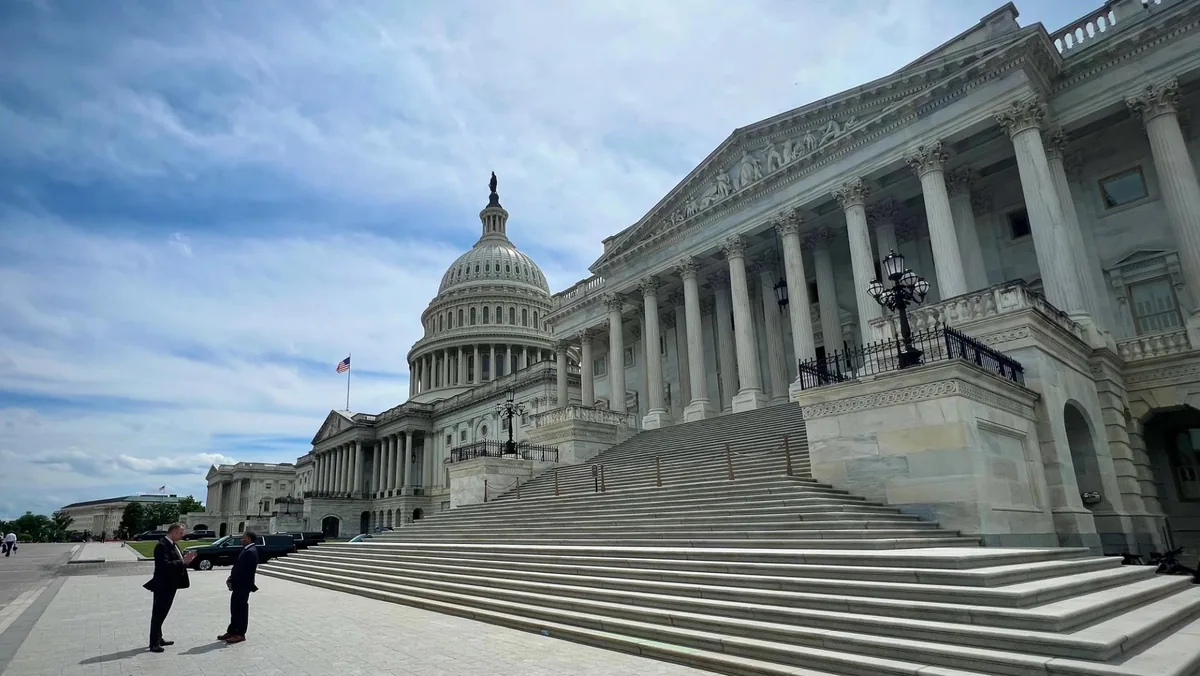
U.S. Housing Bill Deal Revives CBDC Ban Through 2030

House and Senate negotiators have reached a bicameral deal on the 21st Century ROAD to Housing Act that includes a provision blocking the Federal Reserve from issuing a digital dollar until 2030. The measure renews a key crypto policy fight inside a broader housing bill.

U.S. Housing Bill Deal Revives CBDC Ban Through 2030

What happened?

House and Senate negotiators have reached a bicameral deal on the 21st Century ROAD to Housing Act that includes a provision blocking the Federal Reserve from issuing a digital dollar until 2030. The measure renews a key crypto policy fight inside a broader housing bill.

Why it matters

The development matters because it keeps the debate over a potential U.S. digital dollar tied to federal legislation, even though the bill is centered on housing. For the crypto ecosystem, the provision signals that CBDC policy remains a live issue in Congress and could shape how lawmakers define the boundaries between public digital money and private-sector digital assets.

House and Senate lawmakers have struck a bicameral agreement on the 21st Century ROAD to Housing Act that revives a provision barring the Federal Reserve from issuing a central bank digital currency until 2030, according to Decrypt.

The development matters because it keeps the debate over a potential U.S. digital dollar tied to federal legislation, even though the bill is centered on housing. For the crypto ecosystem, the provision signals that CBDC policy remains a live issue in Congress and could shape how lawmakers define the boundaries between public digital money and private-sector digital assets.

A central bank digital currency, or CBDC, would be a digital form of money issued by a central bank. In this case, the revived language would prevent the Fed from issuing such a digital dollar for a defined period, rather than authorizing or launching one.

The inclusion of the ban in a bicameral housing package suggests that opposition to a Fed-issued digital dollar continues to have legislative support across the House and Senate negotiating process. The agreement does not by itself mean the provision is final law; it would still need to move through the broader legislative process.

For readers tracking crypto regulation, the key point is narrow but significant: a CBDC restriction is again attached to a major bill, with the proposed prohibition running through 2030. That keeps digital-dollar policy on the congressional agenda alongside other debates over crypto market structure and federal financial oversight.

Source: Decrypt

Keep exploring

Related stories

Bitget to Leave Japan and Close Remaining Positions by Year-End

Bitget to Leave Japan and Close Remaining Positions by Year-End

Bitget plans to exit the Japanese market and close all remaining positions by the end of the year. The move adds to ongoing shifts among crypto companies navigating Japan’s regulatory environment.

Read
State of Crypto countdown highlights key industry developments

State of Crypto countdown highlights key industry developments

CoinDesk’s State of Crypto coverage counts down recent developments shaping the crypto policy and market landscape. The report frames these changes as important for how companies and participants navigate the sector.

Read
Strategy Keeps STRC Dividend at 12%

Strategy Keeps STRC Dividend at 12%

Strategy said it is holding the dividend on its STRC preferred stock at 12%. The decision keeps the payout unchanged for investors in the company’s yield-focused security.

Read