Trump Signs AI Executive Order After Reported Delay Over China Concerns

President Trump signed an executive order establishing a voluntary review framework for advanced AI models and expanding AI-focused cybersecurity efforts. The order followed a delay tied to concerns involving China, according to the source material.

Trump Signs AI Executive Order After Reported Delay Over China Concerns

What happened?

President Trump signed an executive order establishing a voluntary review framework for advanced AI models and expanding AI-focused cybersecurity efforts. The order followed a delay tied to concerns involving China, according to the source material.

Why it matters

The move matters because AI policy is becoming a central issue for technology companies, security teams, and markets watching how the U.S. government handles powerful AI systems. A voluntary review structure could shape how developers of advanced models engage with federal agencies, while the cybersecurity provisions point to a broader push to use AI in defending digital infrastructure.

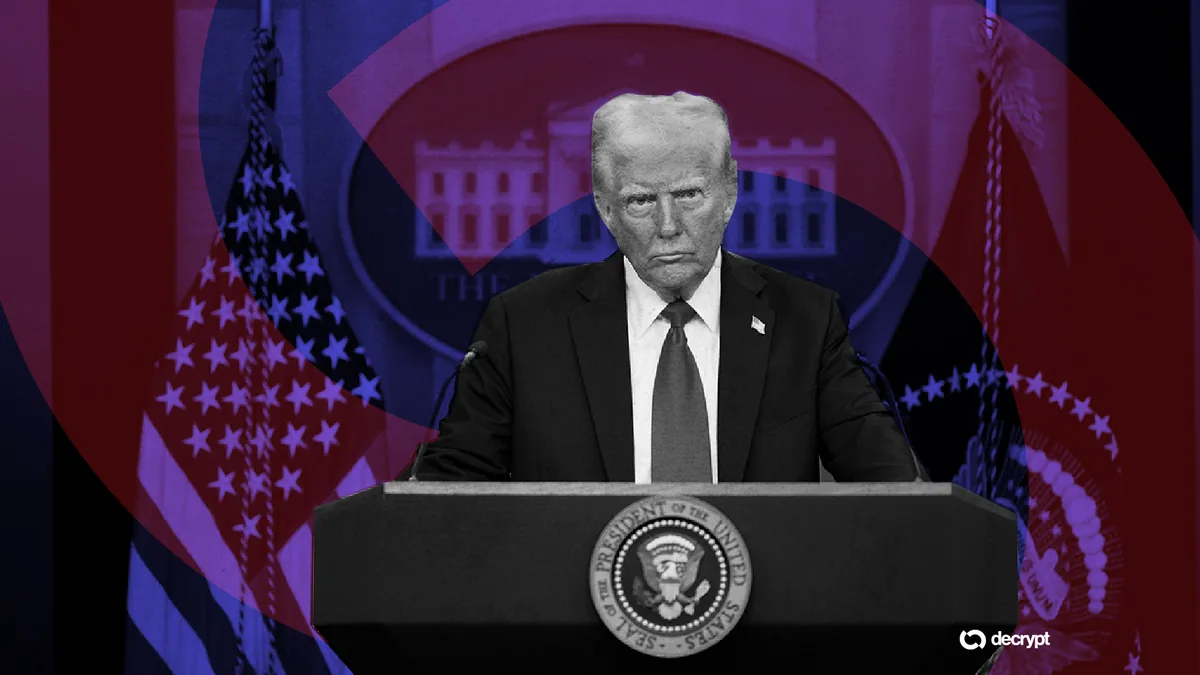
President Trump signed an executive order on artificial intelligence that creates a voluntary framework for reviewing advanced AI models, according to Decrypt. The order also expands the government’s use of AI-powered cybersecurity efforts and includes additional measures related to advanced AI oversight.

The move matters because AI policy is becoming a central issue for technology companies, security teams, and markets watching how the U.S. government handles powerful AI systems. A voluntary review structure could shape how developers of advanced models engage with federal agencies, while the cybersecurity provisions point to a broader push to use AI in defending digital infrastructure.

According to the source material, the executive order was delayed over concerns related to China. That context highlights the geopolitical dimension of AI policy, where model capabilities, security reviews, and national competitiveness are increasingly connected.

For crypto and digital-asset readers, the order is relevant mainly through its cybersecurity angle and the wider technology-policy backdrop. Crypto companies, exchanges, and infrastructure providers operate in an environment where AI tools can affect both defensive security work and the sophistication of digital threats.

The order does not appear, based on the supplied material, to create mandatory rules for AI model reviews. Instead, its review framework is described as voluntary, leaving key details about participation, implementation, and market impact to be watched as agencies and companies respond.
Source: Decrypt

Keep exploring

Related stories

Bitget to Leave Japan and Close Remaining Positions by Year-End

Bitget to Leave Japan and Close Remaining Positions by Year-End

Bitget plans to exit the Japanese market and close all remaining positions by the end of the year. The move adds to ongoing shifts among crypto companies navigating Japan’s regulatory environment.

Read
State of Crypto countdown highlights key industry developments

State of Crypto countdown highlights key industry developments

CoinDesk’s State of Crypto coverage counts down recent developments shaping the crypto policy and market landscape. The report frames these changes as important for how companies and participants navigate the sector.

Read
Strategy Keeps STRC Dividend at 12%

Strategy Keeps STRC Dividend at 12%

Strategy said it is holding the dividend on its STRC preferred stock at 12%. The decision keeps the payout unchanged for investors in the company’s yield-focused security.

Read