Tokenized SpaceX Shares Hit Refunds After $1B Demand Surge

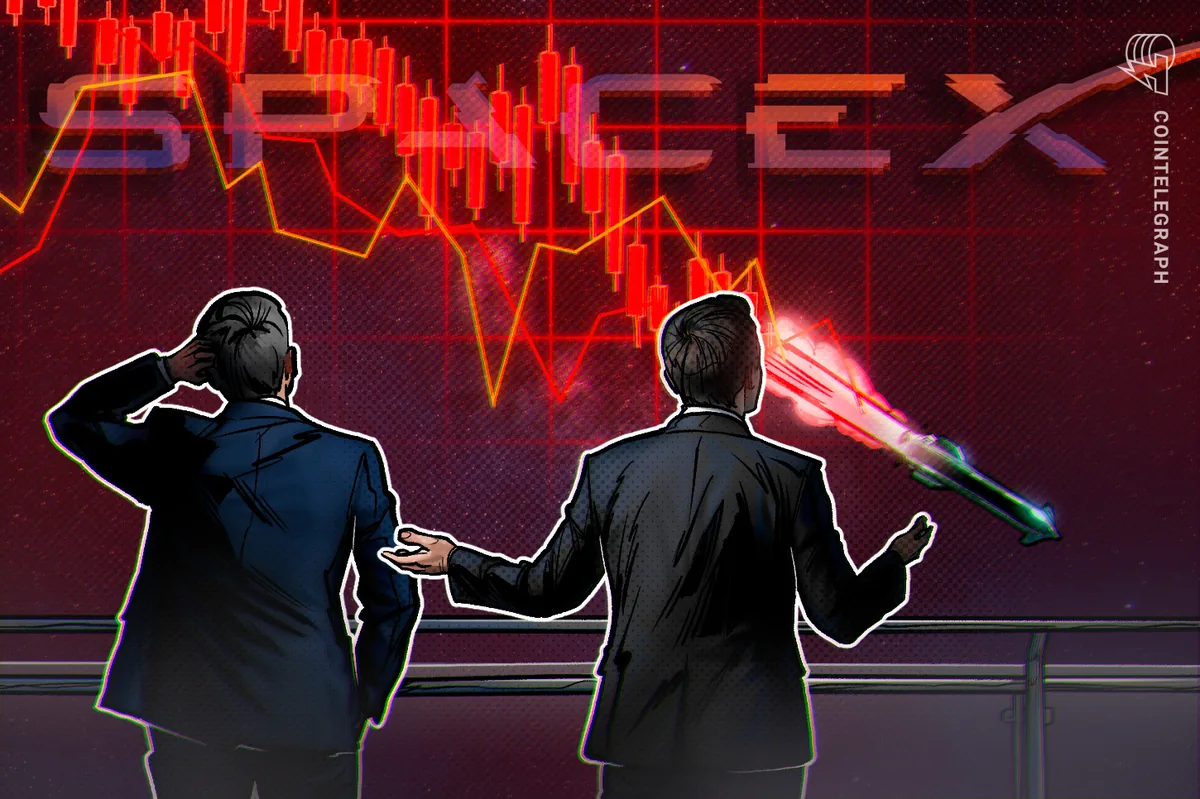
A tokenized SpaceX share offering attracted more than $1 billion in demand, but many would-be buyers were refunded instead of receiving exposure. The episode highlights the gap between strong retail appetite and the operational limits of tokenized private-market products.

Tokenized SpaceX Shares Hit Refunds After $1B Demand Surge

What happened?

A tokenized SpaceX share offering attracted more than $1 billion in demand, but many would-be buyers were refunded instead of receiving exposure. The episode highlights the gap between strong retail appetite and the operational limits of tokenized private-market products.

Why it matters

A tokenized SpaceX share product drew more than $1 billion in demand, but many investors did not end up buying it. Instead, they received refunds, meaning the offering failed to convert a large wave of interest into completed retail access.

A tokenized SpaceX share product drew more than $1 billion in demand, but many investors did not end up buying it. Instead, they received refunds, meaning the offering failed to convert a large wave of interest into completed retail access.

The development matters because tokenized equities and private-company exposure are often promoted as a way to broaden market access. In this case, demand was clearly present, but the process broke down before many retail investors could participate, underscoring that tokenization alone does not remove execution, allocation, or product-structure challenges.

SpaceX remains a private company, so access to its shares is not the same as buying a public stock on an exchange. Tokenized products can attempt to create indirect or synthetic exposure, but investors still depend on the issuer’s ability to structure, back, distribute, and settle the product as described.

The refunds also show why headline demand figures can be misleading. More than $1 billion in interest signals strong appetite, but completed allocations are what determine whether investors actually received the product they tried to buy.

For the crypto ecosystem, the episode is a reminder that tokenized real-world assets need more than market excitement. They also need clear mechanics, reliable distribution, and investor expectations that match what the product can actually deliver.
Source: Cointelegraph

Keep exploring

Related stories

Bitget to Leave Japan and Close Remaining Positions by Year-End

Bitget to Leave Japan and Close Remaining Positions by Year-End

Bitget plans to exit the Japanese market and close all remaining positions by the end of the year. The move adds to ongoing shifts among crypto companies navigating Japan’s regulatory environment.

Read
State of Crypto countdown highlights key industry developments

State of Crypto countdown highlights key industry developments

CoinDesk’s State of Crypto coverage counts down recent developments shaping the crypto policy and market landscape. The report frames these changes as important for how companies and participants navigate the sector.

Read
Strategy Keeps STRC Dividend at 12%

Strategy Keeps STRC Dividend at 12%

Strategy said it is holding the dividend on its STRC preferred stock at 12%. The decision keeps the payout unchanged for investors in the company’s yield-focused security.

Read