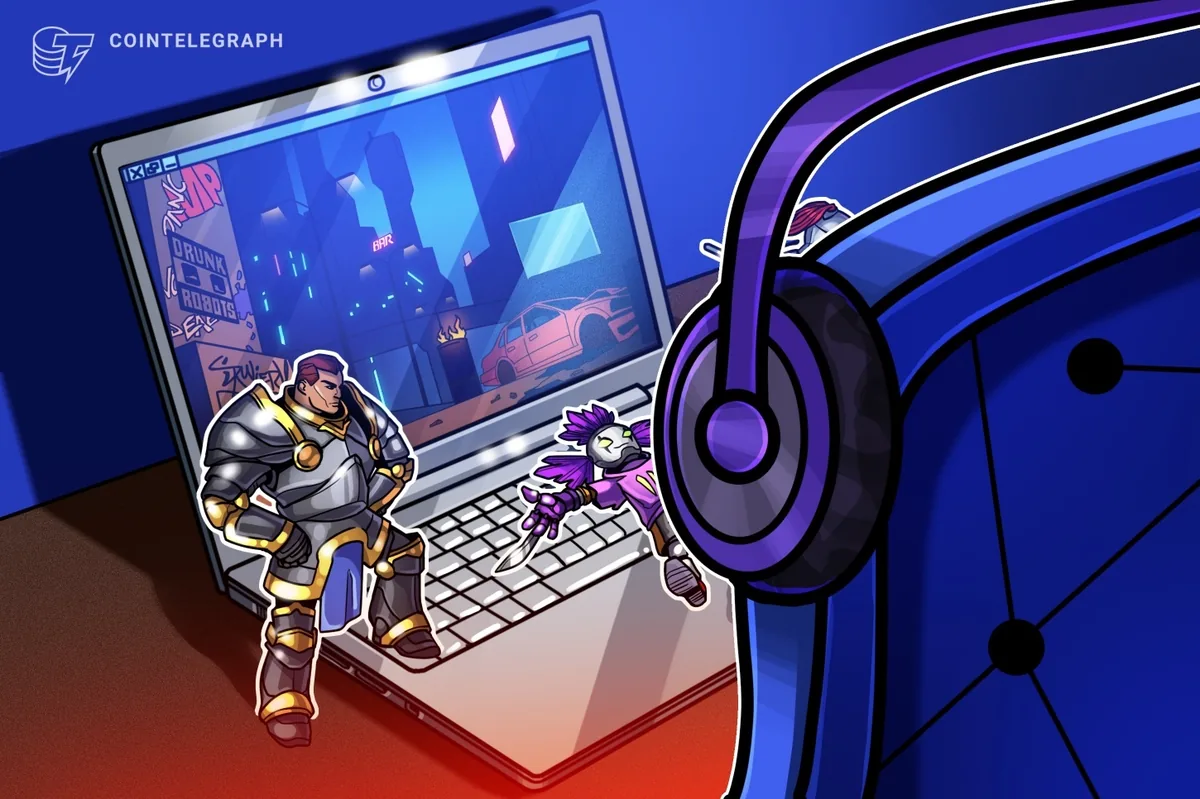
The Sandbox co-founder Arthur Madrid told Cointelegraph that the ability for players to move from one game to another using a single wallet remains one of the main narratives in Web3 gaming. His comments point to interoperability as a continuing ambition for blockchain-based games and virtual worlds.
For players, the concept matters because it frames Web3 gaming around portability rather than isolated accounts inside separate games. A single wallet could serve as a persistent identity and asset hub across different experiences, if developers and platforms can make those systems work together.
The idea is also relevant for gaming companies building around digital ownership. Interoperability has long been one of the sector’s most discussed promises, especially for projects that want in-game items, avatars or credentials to have use beyond one closed environment.
The Sandbox, a metaverse and Web3 gaming project, has been closely associated with that vision. Madrid’s comments suggest that even as the Web3 gaming market evolves, the industry is still presenting cross-game access through wallets as a key part of its long-term player experience.
The vision remains aspirational, but it continues to shape how Web3 gaming projects explain their value to users. For now, the one-wallet idea serves as a simple expression of what many builders in the space say they are trying to create: games that connect more directly through player-controlled digital infrastructure.