Saylor pushes back on BIP-110, saying he supports the goal but not the proposed fix

Michael Saylor criticized BIP-110, arguing that while he shares its goals, he disagrees with the temporary fork proposed as the solution. His remarks add another high-profile voice to the ongoing debate over Bitcoin protocol changes.

Saylor pushes back on BIP-110, saying he supports the goal but not the proposed fix

What happened?

Michael Saylor criticized BIP-110, arguing that while he shares its goals, he disagrees with the temporary fork proposed as the solution. His remarks add another high-profile voice to the ongoing debate over Bitcoin protocol changes.

Why it matters

The comments matter because Saylor is one of the most influential corporate voices in Bitcoin, and his views can shape how the market and the wider crypto community discuss protocol changes. When a major treasury holder takes a public stance on a proposed network change, it can draw more attention to the technical and governance trade-offs involved.

Michael Saylor, who oversees the largest Bitcoin corporate treasury, said he agrees with the objectives behind BIP-110 but does not support the remedy proposed in the temporary fork. He backed up that position by laying out “110 reasons” why he считает the proposal a bad idea.

The comments matter because Saylor is one of the most influential corporate voices in Bitcoin, and his views can shape how the market and the wider crypto community discuss protocol changes. When a major treasury holder takes a public stance on a proposed network change, it can draw more attention to the technical and governance trade-offs involved.

BIP-110 has become a point of debate over how Bitcoin should respond to the issue it aims to address. Saylor’s response suggests that agreement on the problem does not necessarily mean agreement on the solution, especially when the proposed fix involves a temporary fork.

The exchange highlights a familiar theme in Bitcoin governance: even proposals that aim to improve the network can face resistance if they are seen as introducing new risks or complexity. For readers, it is another reminder that protocol debates often extend beyond code and into questions of coordination, trust, and long-term network stability.

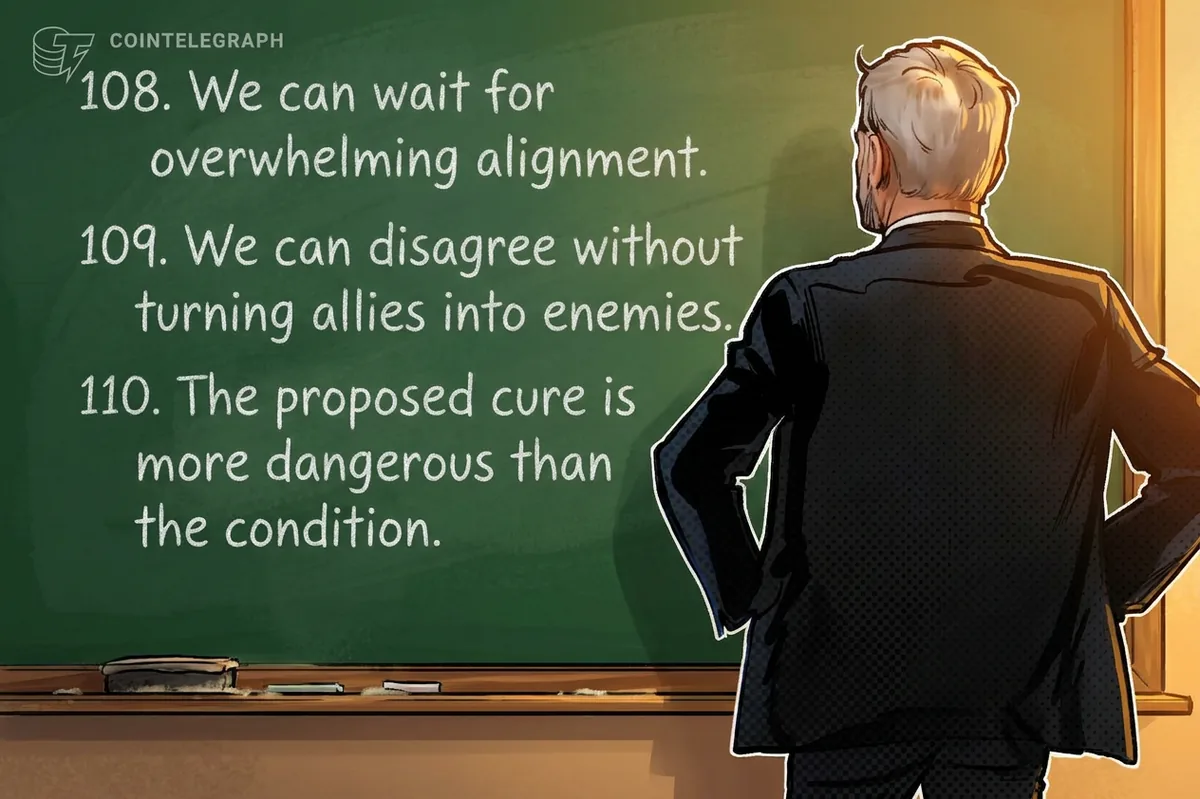
Source: Cointelegraph

Keep exploring

Related stories

Bitget to Leave Japan and Close Remaining Positions by Year-End

Bitget to Leave Japan and Close Remaining Positions by Year-End

Bitget plans to exit the Japanese market and close all remaining positions by the end of the year. The move adds to ongoing shifts among crypto companies navigating Japan’s regulatory environment.

Read
State of Crypto countdown highlights key industry developments

State of Crypto countdown highlights key industry developments

CoinDesk’s State of Crypto coverage counts down recent developments shaping the crypto policy and market landscape. The report frames these changes as important for how companies and participants navigate the sector.

Read
Strategy Keeps STRC Dividend at 12%

Strategy Keeps STRC Dividend at 12%

Strategy said it is holding the dividend on its STRC preferred stock at 12%. The decision keeps the payout unchanged for investors in the company’s yield-focused security.

Read