Sam Bankman-Fried Loses Appeal of FTX Fraud Conviction

A federal appeals panel rejected Sam Bankman-Fried’s bid to overturn his fraud and conspiracy conviction tied to FTX’s collapse. The court found that his arguments about an unfair trial and disputed evidence did not justify reversing the verdict.

Sam Bankman-Fried Loses Appeal of FTX Fraud Conviction

What happened?

A federal appeals panel rejected Sam Bankman-Fried’s bid to overturn his fraud and conspiracy conviction tied to FTX’s collapse. The court found that his arguments about an unfair trial and disputed evidence did not justify reversing the verdict.

Why it matters

The decision matters because it leaves in place one of the most consequential criminal verdicts to follow the collapse of a major crypto company. For the crypto industry, the ruling reinforces that courts continue to treat customer-fund misuse and false representations as central legal issues, even when the case involves complex trading platforms and digital assets.

Sam Bankman-Fried, the founder and former CEO of FTX, lost his appeal of his criminal conviction on fraud and conspiracy charges. A Second Circuit Court of Appeals panel ruled Friday that Bankman-Fried had not shown that his trial was unfair or that the conviction should be overturned.

The decision matters because it leaves in place one of the most consequential criminal verdicts to follow the collapse of a major crypto company. For the crypto industry, the ruling reinforces that courts continue to treat customer-fund misuse and false representations as central legal issues, even when the case involves complex trading platforms and digital assets.

Bankman-Fried’s appeal challenged several aspects of the trial overseen by Judge Lewis Kaplan. According to the appellate panel, the trial judge did not err in how he handled objections, evidence, or limits on arguments the defense sought to present.

One of Bankman-Fried’s arguments was that funds he misappropriated had been placed in investments that might eventually increase in value. The appeals court rejected that position, saying the potential appreciation of assets was not relevant to whether fraud had occurred.

The panel also rejected the defense’s attempt to frame FTX customers’ use of margin trading as a reason they should have expected limited access to funds. The court said that even if some customers opted into margin trading, they had not agreed to have their money transferred to Alameda under false pretenses.

The appeal ruling follows a hearing last November in which the judges had questioned Bankman-Fried’s attorney, according to CoinDesk. Separately, Bankman-Fried has asked U.S. President Donald Trump for a pardon and is also seeking a new trial in federal court.

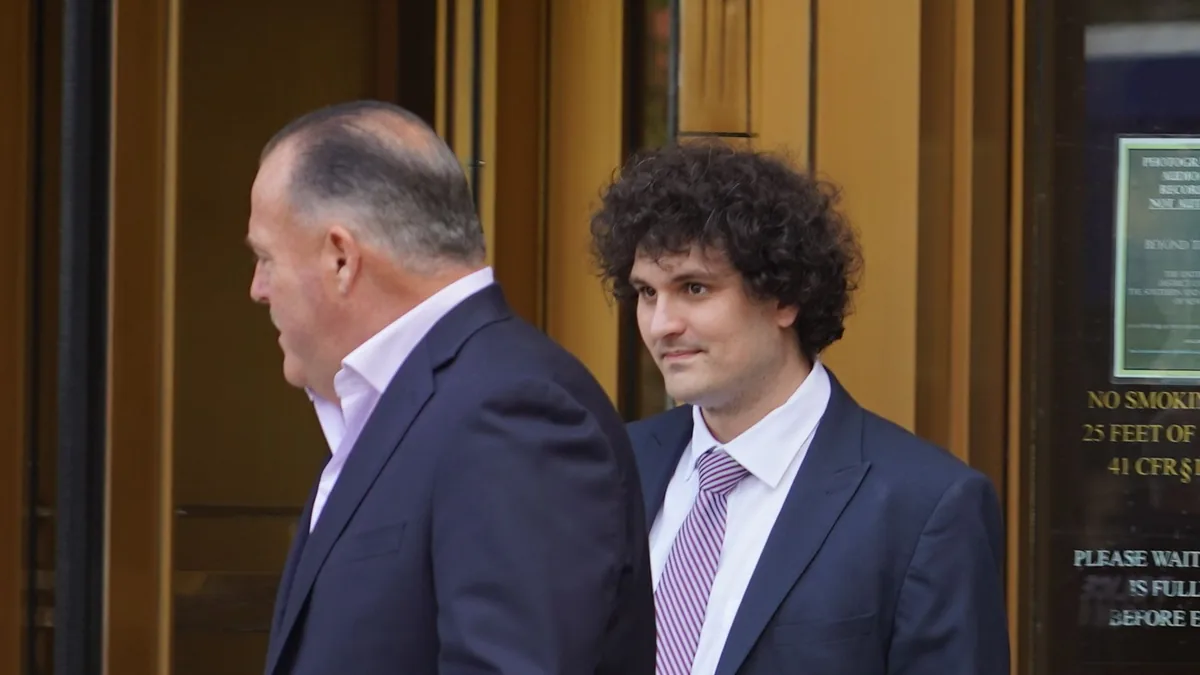
Source: CoinDesk

Keep exploring

Related stories

Bitget to Leave Japan and Close Remaining Positions by Year-End

Bitget to Leave Japan and Close Remaining Positions by Year-End

Bitget plans to exit the Japanese market and close all remaining positions by the end of the year. The move adds to ongoing shifts among crypto companies navigating Japan’s regulatory environment.

Read
State of Crypto countdown highlights key industry developments

State of Crypto countdown highlights key industry developments

CoinDesk’s State of Crypto coverage counts down recent developments shaping the crypto policy and market landscape. The report frames these changes as important for how companies and participants navigate the sector.

Read
Strategy Keeps STRC Dividend at 12%

Strategy Keeps STRC Dividend at 12%

Strategy said it is holding the dividend on its STRC preferred stock at 12%. The decision keeps the payout unchanged for investors in the company’s yield-focused security.

Read