Real-World Asset Tokenization Is Expanding Across Five Core Markets

Tokenized real-world assets are gaining traction across treasuries, real estate, stocks, commodities and private credit. The market remains small compared with traditional finance, but the pace of growth is accelerating.

Real-World Asset Tokenization Is Expanding Across Five Core Markets

What happened?

Tokenized real-world assets are gaining traction across treasuries, real estate, stocks, commodities and private credit. The market remains small compared with traditional finance, but the pace of growth is accelerating.

Why it matters

The trend matters because it links traditional markets with blockchain-based systems, giving crypto networks a broader role beyond native digital assets. While the sector is still small relative to traditional finance, its rapid expansion suggests companies and markets are testing where tokenized ownership, settlement and access may fit into existing financial activity.

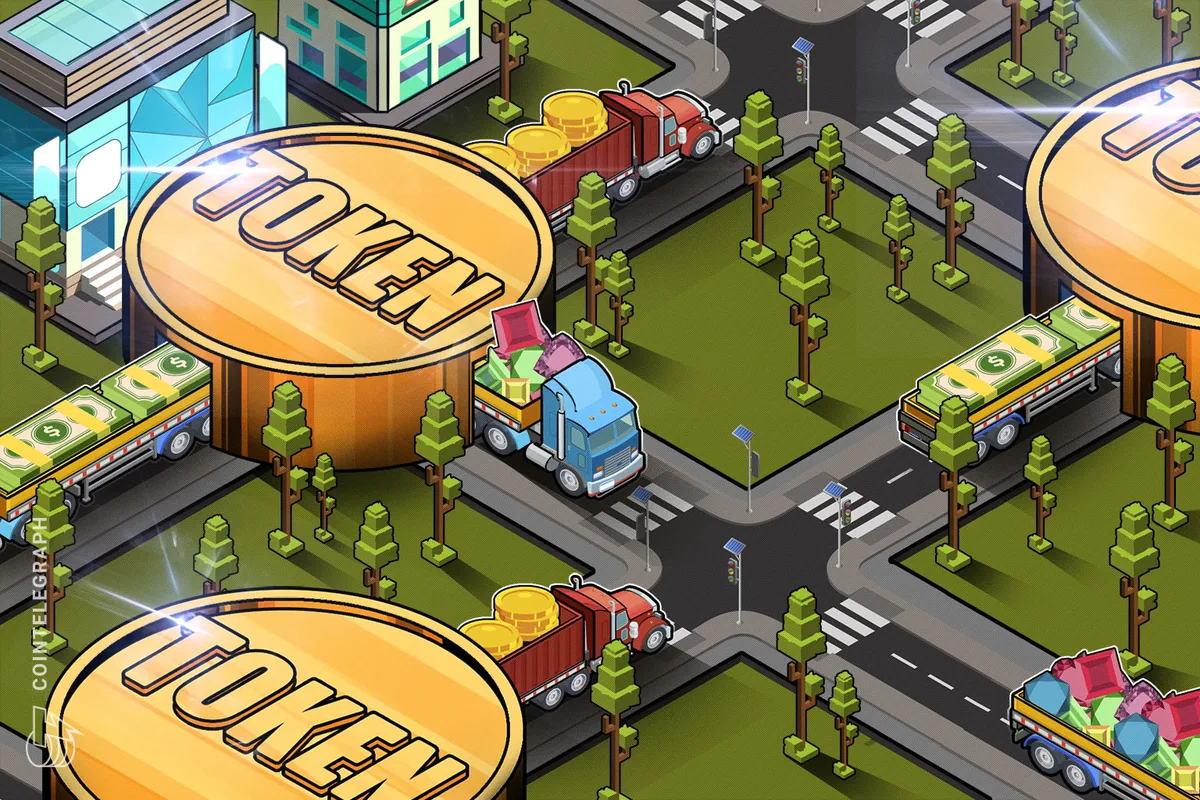
Real-world asset tokenization is moving faster across five major categories: treasuries, real estate, stocks, commodities and private credit. These assets, often known as RWAs, are being brought onchain as crypto infrastructure is increasingly used to represent financial and physical assets in tokenized form.

The trend matters because it links traditional markets with blockchain-based systems, giving crypto networks a broader role beyond native digital assets. While the sector is still small relative to traditional finance, its rapid expansion suggests companies and markets are testing where tokenized ownership, settlement and access may fit into existing financial activity.

Treasuries have become one of the most closely watched areas of tokenization, as they connect blockchain rails with a familiar low-risk financial instrument. Real estate and commodities show how tokenization can also be applied to assets that are traditionally less liquid or more operationally complex.

Stocks and private credit add another dimension. Tokenized equities point toward blockchain-based versions of public-market exposure, while private credit reflects growing interest in bringing lending and debt markets onchain.

The broader RWA sector remains early, and its long-term role will depend on regulation, market adoption and the ability of tokenized products to operate reliably at scale. For now, the fastest-moving categories show that tokenization is no longer limited to crypto-native assets.
Source: Cointelegraph

Keep exploring

Related stories

The privacy paradox of protecting kids online

The privacy paradox of protecting kids online

CoinDesk's opinion piece examines the tension between child safety efforts online and the privacy risks that can come with verifying a user's age or identity. It argues that well-intended protections can create new forms of data collection and surveillance if they are not designed carefully.

Read
How AI Tools Can Turn One Product Photo Into a Short Video Ad

How AI Tools Can Turn One Product Photo Into a Short Video Ad

A Decrypt guide outlines a low-cost workflow for creating TikTok and YouTube-style product ads using one product image, three AI tools, and roughly 20 minutes. The process is framed as a way to produce sales videos without a camera, model, or studio setup.

Read
Robinhood Chain: Ethereum Layer-2 Network for Tokenized Assets

Robinhood Chain: Ethereum Layer-2 Network for Tokenized Assets

Robinhood Chain is an Ethereum layer-2 network built with Arbitrum technology. It is designed for tokenized assets, crypto apps, and on-chain financial products.

Read