Phantom and Hyperliquid Urge CFTC to Update Onchain Derivatives Rules

Phantom and Hyperliquid asked the CFTC to modernize its approach to onchain derivatives regulation. The companies argued that blockchain developers and non-custodial wallet providers should not be treated like traditional financial intermediaries.

Phantom and Hyperliquid Urge CFTC to Update Onchain Derivatives Rules

What happened?

Phantom and Hyperliquid asked the CFTC to modernize its approach to onchain derivatives regulation. The companies argued that blockchain developers and non-custodial wallet providers should not be treated like traditional financial intermediaries.

Why it matters

The request matters because it highlights a recurring tension in crypto regulation: decentralized software and user-controlled wallets do not always fit neatly into rulebooks built around brokers, exchanges and other centralized financial firms. For companies building onchain markets, the way regulators define responsibility could shape which services can operate in the United States and how developers design them.

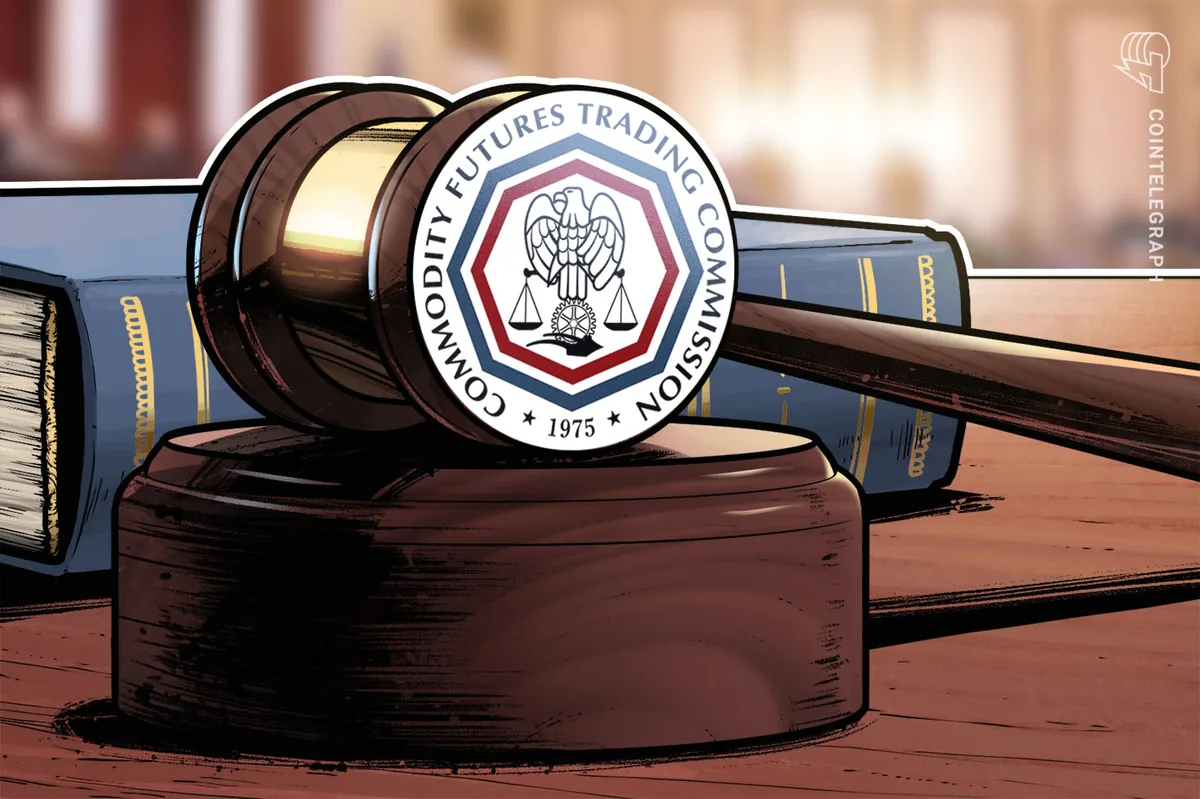
Phantom and Hyperliquid have urged the US Commodity Futures Trading Commission to modernize rules for onchain derivatives, according to Cointelegraph. The companies asked the regulator to exempt blockchain developers and non-custodial wallet providers from requirements designed for traditional financial intermediaries.

The request matters because it highlights a recurring tension in crypto regulation: decentralized software and user-controlled wallets do not always fit neatly into rulebooks built around brokers, exchanges and other centralized financial firms. For companies building onchain markets, the way regulators define responsibility could shape which services can operate in the United States and how developers design them.

Phantom is known as a non-custodial crypto wallet, while Hyperliquid is associated with onchain trading infrastructure. Their position centers on the idea that software providers and wallet developers should not automatically be regulated as intermediaries when they do not custody user assets or perform the same functions as legacy financial firms.

The appeal comes as US regulators continue to examine how existing market rules apply to digital assets and blockchain-based trading. Onchain derivatives are a particularly sensitive area because derivatives markets are already heavily regulated in traditional finance, while decentralized systems can distribute functions across protocols, interfaces and users.

The CFTC has not been reported in the source material as adopting the companies’ proposal. For now, the filing adds to the broader debate over whether crypto-specific market structure rules are needed, and how regulators should distinguish between financial intermediaries and the developers of open blockchain tools.
Source: Cointelegraph

Keep exploring

Related stories

Bitget to Leave Japan and Close Remaining Positions by Year-End

Bitget to Leave Japan and Close Remaining Positions by Year-End

Bitget plans to exit the Japanese market and close all remaining positions by the end of the year. The move adds to ongoing shifts among crypto companies navigating Japan’s regulatory environment.

Read
State of Crypto countdown highlights key industry developments

State of Crypto countdown highlights key industry developments

CoinDesk’s State of Crypto coverage counts down recent developments shaping the crypto policy and market landscape. The report frames these changes as important for how companies and participants navigate the sector.

Read
Strategy Keeps STRC Dividend at 12%

Strategy Keeps STRC Dividend at 12%

Strategy said it is holding the dividend on its STRC preferred stock at 12%. The decision keeps the payout unchanged for investors in the company’s yield-focused security.

Read