Nvidia Tests Self-Improving Robot Training With AI Coding Agents

Nvidia’s ENPIRE system lets AI coding agents such as Codex and Claude Code write robot training code, test it on physical hardware, and iterate without a human watching. The work points to a more automated path for robotics development, where software agents help fleets improve through repeated real-world trials.

Nvidia Tests Self-Improving Robot Training With AI Coding Agents

What happened?

Nvidia’s ENPIRE system lets AI coding agents such as Codex and Claude Code write robot training code, test it on physical hardware, and iterate without a human watching. The work points to a more automated path for robotics development, where software agents help fleets improve through repeated real-world trials.

Why it matters

For crypto and tech readers, the broader signal is that AI infrastructure is moving beyond chatbots and developer tools into physical automation. Nvidia’s work shows how coding agents may become part of industrial robotics pipelines, though the source does not claim any direct crypto-market impact or investment implication.
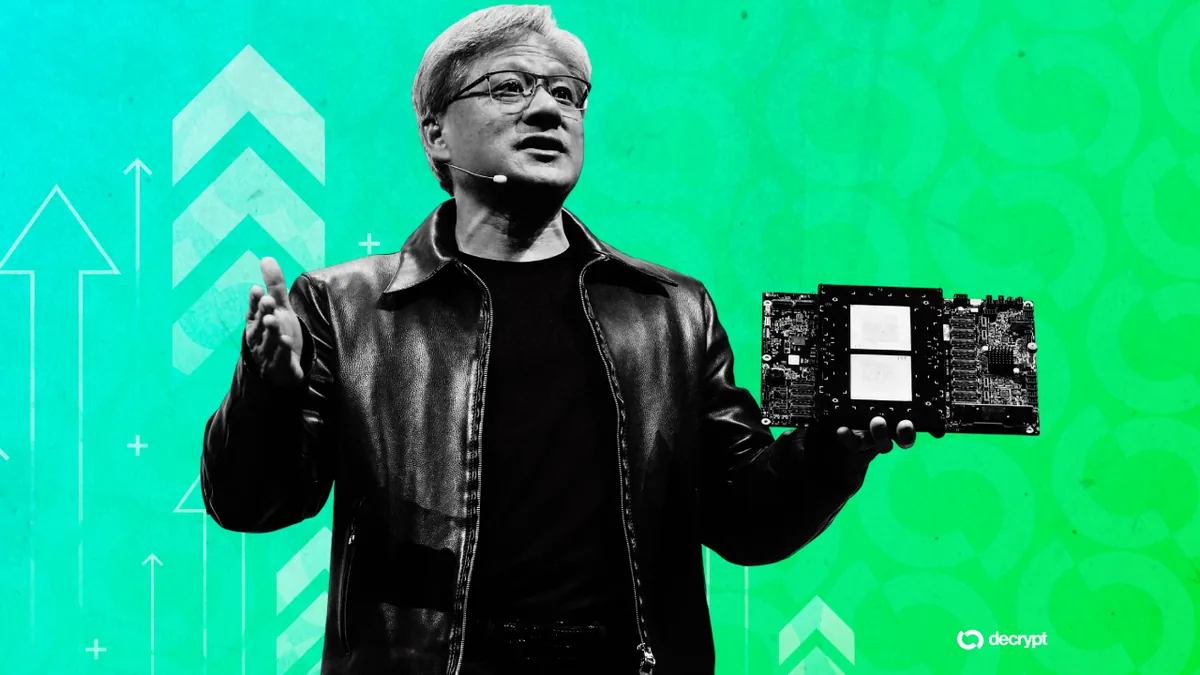
Nvidia has built ENPIRE, a system that gives an entire robot fleet to AI coding agents so they can train the machines with less direct human oversight. According to Decrypt, agents such as Codex and Claude Code can write training code, run it on real robot hardware, evaluate the results, and keep improving the approach without a person monitoring each step.

The development matters because it pushes robotics closer to an automated engineering loop: AI systems are not only generating code, but also testing that code against physical machines. For companies working on robotics and automation, that could make experimentation faster by reducing the amount of manual supervision needed during training cycles.

ENPIRE is notable because it connects software-writing agents with embodied systems. Coding agents have already become part of software development workflows, but Nvidia’s setup applies that capability to robots that must operate in the real world, where trial results can be messier than a purely digital benchmark.

The source frames the system as a way for robot fleets to improve through repeated testing and revision. Rather than relying on a human to watch every run and adjust the training process, the agents can propose code changes, execute them, and use the observed results to continue refining the robots’ behavior.

For crypto and tech readers, the broader signal is that AI infrastructure is moving beyond chatbots and developer tools into physical automation. Nvidia’s work shows how coding agents may become part of industrial robotics pipelines, though the source does not claim any direct crypto-market impact or investment implication.

Source: Decrypt

Keep exploring

Related stories

Bitget to Leave Japan and Close Remaining Positions by Year-End

Bitget to Leave Japan and Close Remaining Positions by Year-End

Bitget plans to exit the Japanese market and close all remaining positions by the end of the year. The move adds to ongoing shifts among crypto companies navigating Japan’s regulatory environment.

Read
State of Crypto countdown highlights key industry developments

State of Crypto countdown highlights key industry developments

CoinDesk’s State of Crypto coverage counts down recent developments shaping the crypto policy and market landscape. The report frames these changes as important for how companies and participants navigate the sector.

Read
Strategy Keeps STRC Dividend at 12%

Strategy Keeps STRC Dividend at 12%

Strategy said it is holding the dividend on its STRC preferred stock at 12%. The decision keeps the payout unchanged for investors in the company’s yield-focused security.

Read