North Carolina Budget Law Recognizes CFTC Oversight of Prediction Markets

North Carolina’s budget law recognizes the CFTC’s federal regulatory authority over prediction markets such as Kalshi and Polymarket. The measure also applies a 6% tax rate, which the source says is far below what other states are pursuing.

North Carolina Budget Law Recognizes CFTC Oversight of Prediction Markets

What happened?

North Carolina’s budget law recognizes the CFTC’s federal regulatory authority over prediction markets such as Kalshi and Polymarket. The measure also applies a 6% tax rate, which the source says is far below what other states are pursuing.

Why it matters

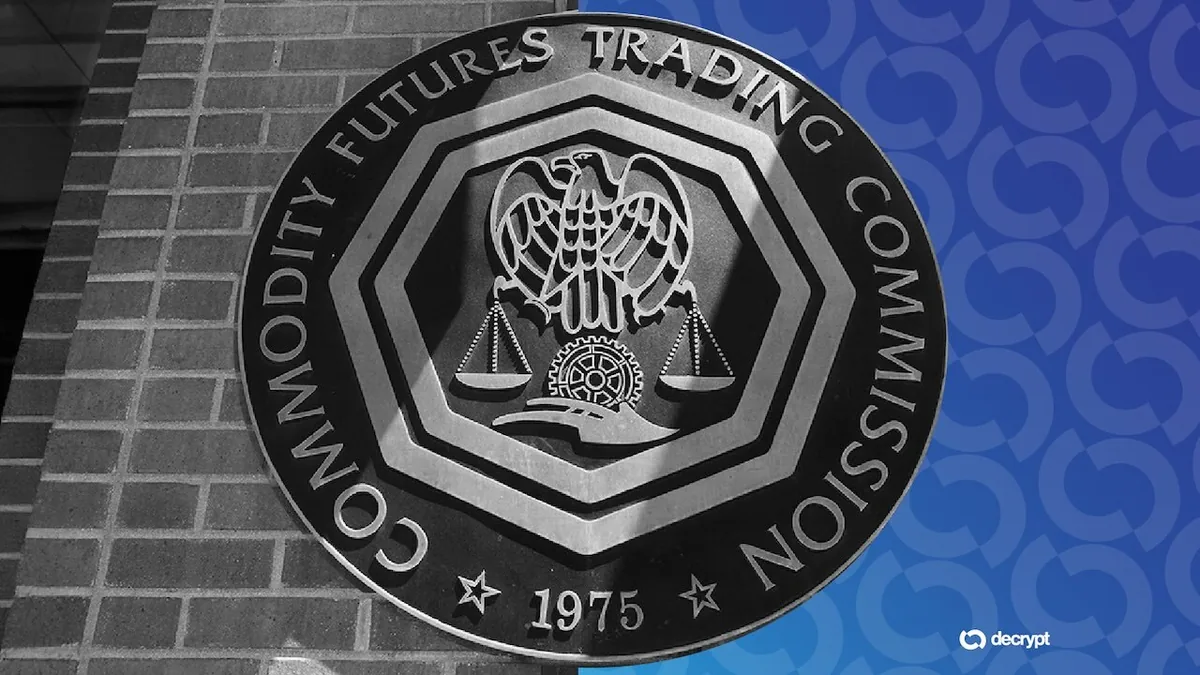
North Carolina has passed a budget law that recognizes the Commodity Futures Trading Commission’s federal regulatory authority over prediction markets, including platforms such as Kalshi and Polymarket. The law also sets a 6% tax rate for those markets in the state.

North Carolina has passed a budget law that recognizes the Commodity Futures Trading Commission’s federal regulatory authority over prediction markets, including platforms such as Kalshi and Polymarket. The law also sets a 6% tax rate for those markets in the state.

The development matters because prediction markets sit at the intersection of financial regulation, online wagering, and crypto-adjacent market infrastructure. By leaving oversight to the CFTC, North Carolina is taking a different route from states seeking more aggressive local treatment of the sector.

Kalshi and Polymarket have become two of the most visible names in event-based markets, where users trade contracts tied to future outcomes. The North Carolina approach signals that, at least under this budget law, the state is not attempting to become the primary regulator of those platforms.

The 6% tax rate is also notable. According to the source material, it is far below what other states are pursuing, creating a more limited state-level burden than some competing proposals.

For the broader crypto and prediction-market ecosystem, the bill adds another data point in an unsettled regulatory landscape. It does not resolve the national debate, but it shows one state formally acknowledging federal oversight while still creating a tax framework of its own.

Source: Decrypt

Keep exploring

Related stories

Bitget to Leave Japan and Close Remaining Positions by Year-End

Bitget to Leave Japan and Close Remaining Positions by Year-End

Bitget plans to exit the Japanese market and close all remaining positions by the end of the year. The move adds to ongoing shifts among crypto companies navigating Japan’s regulatory environment.

Read
State of Crypto countdown highlights key industry developments

State of Crypto countdown highlights key industry developments

CoinDesk’s State of Crypto coverage counts down recent developments shaping the crypto policy and market landscape. The report frames these changes as important for how companies and participants navigate the sector.

Read
Strategy Keeps STRC Dividend at 12%

Strategy Keeps STRC Dividend at 12%

Strategy said it is holding the dividend on its STRC preferred stock at 12%. The decision keeps the payout unchanged for investors in the company’s yield-focused security.

Read