MetaMask Unveils Self-Custodial Wallet for AI Agents

MetaMask has launched a self-custodial AI agent wallet that lets autonomous software trade across DeFi while users retain controls such as spending limits, allowlists and security approvals. The product is in limited early access, with a wider rollout planned in the coming months.

MetaMask Unveils Self-Custodial Wallet for AI Agents

What happened?

MetaMask has launched a self-custodial AI agent wallet that lets autonomous software trade across DeFi while users retain controls such as spending limits, allowlists and security approvals. The product is in limited early access, with a wider rollout planned in the coming months.

Why it matters

The launch matters because AI agents are increasingly being positioned as active participants in crypto markets, where they can execute trades and manage capital on behalf of users. MetaMask is framing the product around security, a key concern as automated systems begin handling real funds and interacting with DeFi protocols.

MetaMask has launched a self-custodial wallet built for AI agents, giving autonomous software the ability to trade across decentralized finance while keeping user-controlled safeguards in place. The Consensys-owned wallet provider said the MetaMask Agent Wallet is available through a limited early-access program, with a broader rollout planned in the next few months.

The launch matters because AI agents are increasingly being positioned as active participants in crypto markets, where they can execute trades and manage capital on behalf of users. MetaMask is framing the product around security, a key concern as automated systems begin handling real funds and interacting with DeFi protocols.

According to the company, the wallet supports agent access to swaps, perpetual futures, prediction markets and liquidity provisioning across Ethereum-compatible blockchains. Each transaction initiated by an agent is automatically run through simulation, threat scanning and MEV protection before execution.

MetaMask also said transactions flagged as malicious will require human approval through two-factor authentication. Transactions considered safe are covered by MetaMask's Transaction Protection program, which provides up to $10,000 in protection against losses.

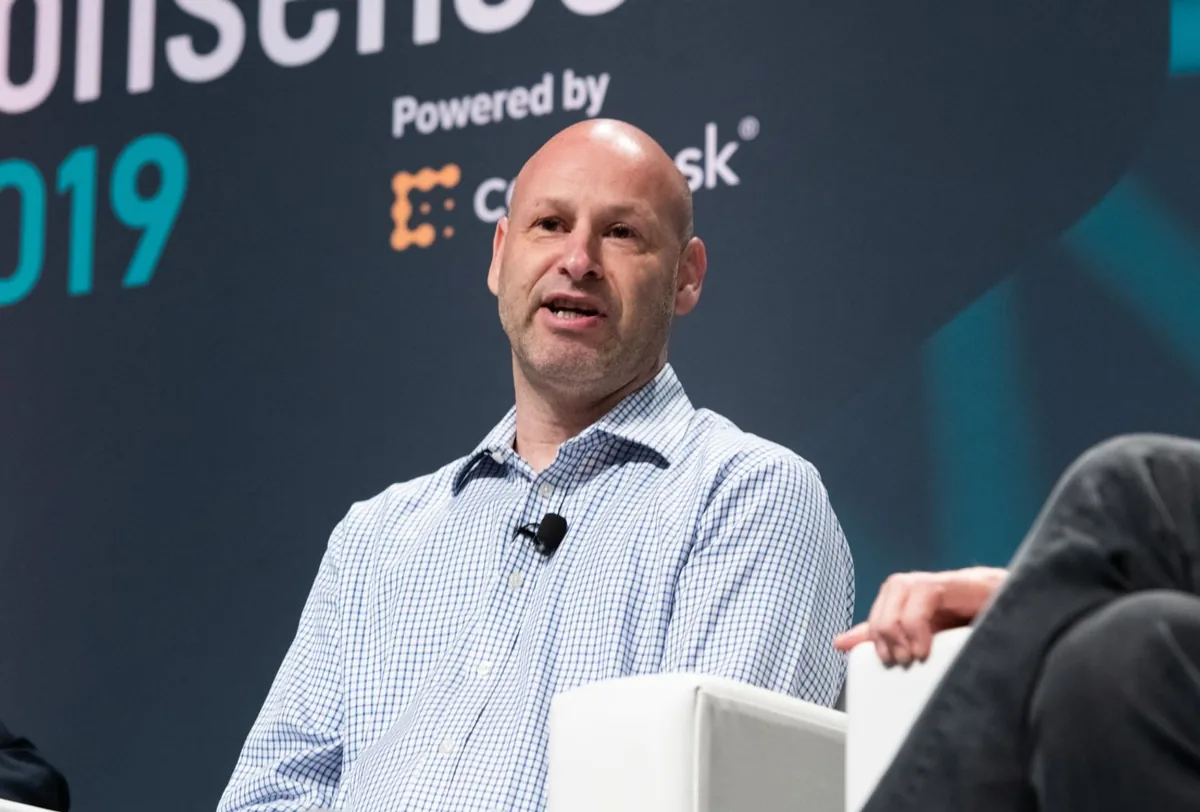
Users can choose between a default Guard Mode, which enforces spending limits, protocol allowlists and approval requirements, and an opt-in Beast Mode that reduces prompts while still requiring approval for potentially malicious transactions. Consensys CEO and Ethereum co-founder Joe Lubin said in a statement that agents will manage real capital and make financial decisions, adding that the infrastructure beneath them must be worthy of that role.
Source: CoinDesk

Keep exploring

Related stories

Bitget to Leave Japan and Close Remaining Positions by Year-End

Bitget to Leave Japan and Close Remaining Positions by Year-End

Bitget plans to exit the Japanese market and close all remaining positions by the end of the year. The move adds to ongoing shifts among crypto companies navigating Japan’s regulatory environment.

Read
State of Crypto countdown highlights key industry developments

State of Crypto countdown highlights key industry developments

CoinDesk’s State of Crypto coverage counts down recent developments shaping the crypto policy and market landscape. The report frames these changes as important for how companies and participants navigate the sector.

Read
Strategy Keeps STRC Dividend at 12%

Strategy Keeps STRC Dividend at 12%

Strategy said it is holding the dividend on its STRC preferred stock at 12%. The decision keeps the payout unchanged for investors in the company’s yield-focused security.

Read