Memecoin Marketing Pushes Online Hype Into Real-World Stunts

Memecoin campaigns are increasingly using real-world challenges, including alcohol dares and head-shaving prompts, to drive engagement. The shift raises concerns about how speculative online communities can turn participation into pressure or exploitation.

Memecoin Marketing Pushes Online Hype Into Real-World Stunts

What happened?

Memecoin campaigns are increasingly using real-world challenges, including alcohol dares and head-shaving prompts, to drive engagement. The shift raises concerns about how speculative online communities can turn participation into pressure or exploitation.

Why it matters

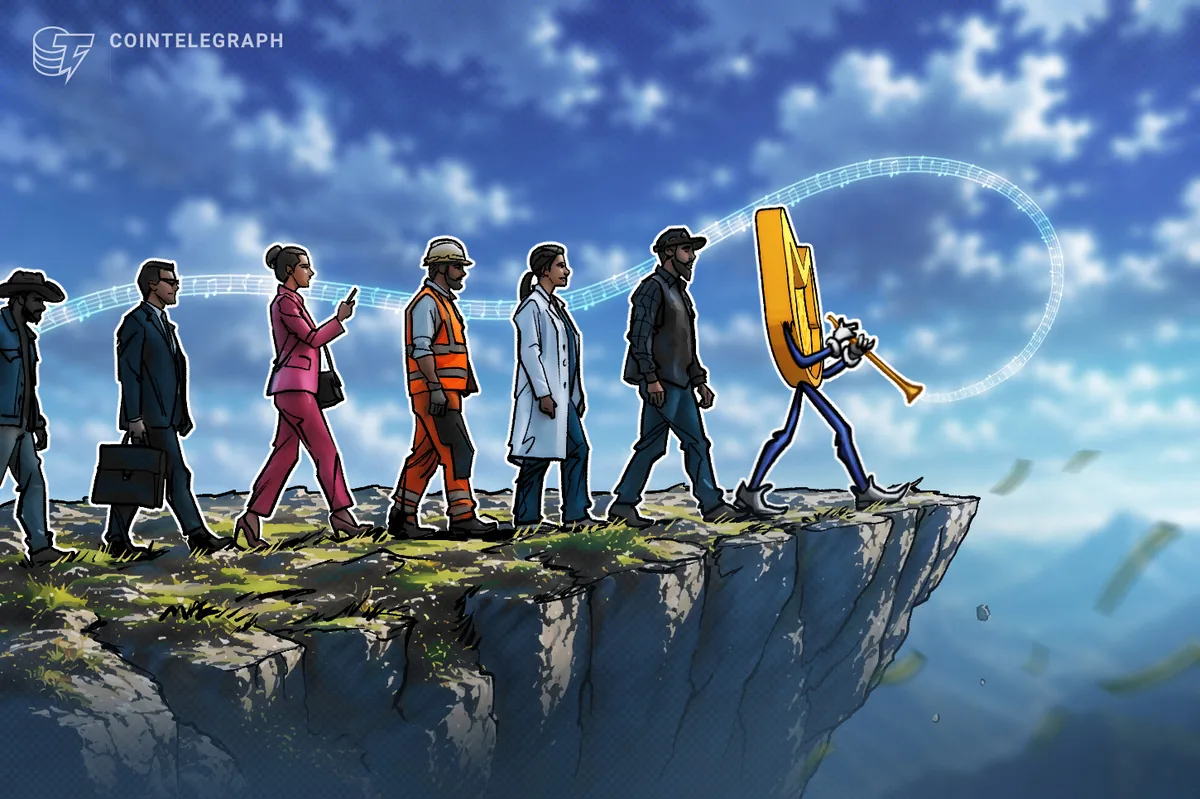
Memecoin marketing is moving beyond online speculation and into real-world stunts, according to source material from Cointelegraph. Campaigns built around attention-grabbing challenges, including alcohol dares and head-shaving prompts, show how some projects are trying to convert social engagement into physical participation.

Memecoin marketing is moving beyond online speculation and into real-world stunts, according to source material from Cointelegraph. Campaigns built around attention-grabbing challenges, including alcohol dares and head-shaving prompts, show how some projects are trying to convert social engagement into physical participation.

The development matters because memecoins already rely heavily on community momentum, visibility and viral behavior. When that energy is tied to real-world dares, the boundary between promotion and exploitation can become harder for participants to judge.

These campaigns reflect a broader shift in how crypto attention economies operate. Instead of limiting promotion to posts, memes and trading chatter, some memecoin activity is using public acts and personal challenges as marketing fuel.

For readers, the key issue is not only whether a token gains attention, but what kind of behavior that attention rewards. Stunts may create visibility, but they can also expose participants to social pressure, reputational consequences or physical risk.

The trend highlights a cultural risk inside parts of the memecoin market: engagement can become the product, and people can become the promotional channel. That makes scrutiny of campaign mechanics increasingly important, especially when marketing asks supporters to do more than simply share content online.
Source: Cointelegraph

Keep exploring

Related stories

Ready Player One Creators Launch Readyverse for Metaverse IP

Ready Player One Creators Launch Readyverse for Metaverse IP

Ready Player One author Ernest Cline and producer Dan Farah have co-founded Readyverse. The project is focused on developing a metaverse tied to Ready Player One and other intellectual properties.

Read
Immutable Winds Down NFT Marketplace to Support Ecosystem Platforms

Immutable Winds Down NFT Marketplace to Support Ecosystem Platforms

Immutable has shut down its NFT marketplace, saying the move is meant to let marketplaces within its own ecosystem grow. The development reflects a shift in focus from operating a central marketplace to supporting third-party venues tied to Web3 gaming and NFTs.

Read
Former BAYC Creative Director Jeff Nicholas Joins Meta’s Reality Labs

Former BAYC Creative Director Jeff Nicholas Joins Meta’s Reality Labs

Jeff Nicholas, formerly creative director for Bored Ape Yacht Club, has joined Meta’s Reality Labs. He will serve as an executive mixed reality producer focused on entertainment experiences.

Read