Chainalysis proposes common standards for blockchain tracing

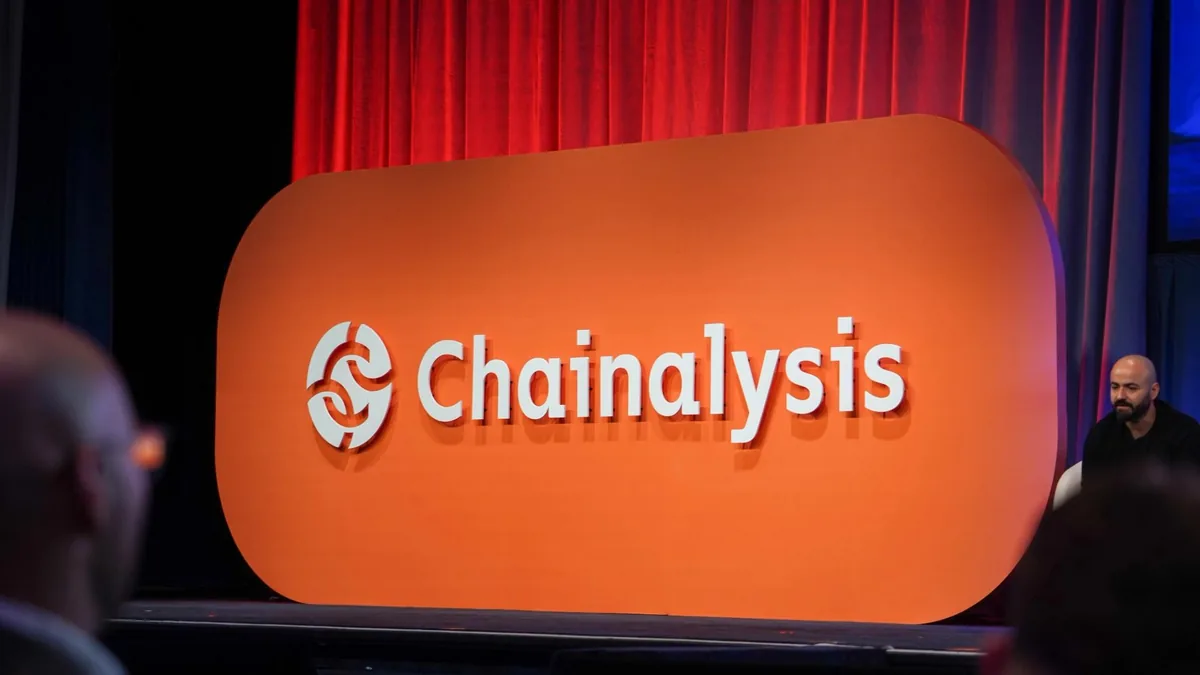
Chainalysis has published a proposed framework for evaluating wallet clusters and the evidence used in blockchain investigations. The company hopes the initiative will encourage common industry standards and greater scrutiny of tracing methods.

Chainalysis proposes common standards for blockchain tracing

What happened?

Chainalysis has published a proposed framework for evaluating wallet clusters and the evidence used in blockchain investigations. The company hopes the initiative will encourage common industry standards and greater scrutiny of tracing methods.

Why it matters

Chainalysis has proposed a standardized framework for blockchain tracing, setting out how investigators can group crypto addresses and assess whether they are controlled by the same entity. The blockchain analytics company published the ontology on Monday as a starting point for broader industry discussion.

Chainalysis has proposed a standardized framework for blockchain tracing, setting out how investigators can group crypto addresses and assess whether they are controlled by the same entity. The blockchain analytics company published the ontology on Monday as a starting point for broader industry discussion.

The proposal matters because blockchain investigations often depend on specialized tools whose methods can be difficult to evaluate. Common definitions and confidence measures could help law enforcement officials, prosecutors and other users understand what onchain data supports—and where its limits remain.

The framework separates wallet clustering into component parts, including wallet segments that may serve as deposit, change or other types of addresses. It also uses a two-tier structure: one tier defines relationships between addresses, while the second evaluates confidence in those relationships.

Chainalysis said its experience in the U.S. prosecution of Bitcoin Fog co-founder Roman Sterlingov helped shape the proposal. Sterlingov was convicted on money-laundering charges in 2024, and the judge in that case found substantial evidence supporting the reliability of Chainalysis' Reactor software after reviewing whether it met the required evidentiary standard.

The company also stressed that tracing funds does not necessarily identify an individual user. Analytics may connect funds to an exchange or another wallet operator, but investigators could still need additional records, such as information obtained through a subpoena, to determine the customer involved. Chainalysis said independent scrutiny and testing will be important as the industry considers the proposed standards.
Source: CoinDesk

Keep exploring

Related stories

Bitget to Leave Japan and Close Remaining Positions by Year-End

Bitget to Leave Japan and Close Remaining Positions by Year-End

Bitget plans to exit the Japanese market and close all remaining positions by the end of the year. The move adds to ongoing shifts among crypto companies navigating Japan’s regulatory environment.

Read
State of Crypto countdown highlights key industry developments

State of Crypto countdown highlights key industry developments

CoinDesk’s State of Crypto coverage counts down recent developments shaping the crypto policy and market landscape. The report frames these changes as important for how companies and participants navigate the sector.

Read
Strategy Keeps STRC Dividend at 12%

Strategy Keeps STRC Dividend at 12%

Strategy said it is holding the dividend on its STRC preferred stock at 12%. The decision keeps the payout unchanged for investors in the company’s yield-focused security.

Read