Blockchain.com and KuCoin Expand Payment Access in Emerging Markets

Blockchain.com launched a Brazil-focused payments platform for businesses, while KuCoin broadened connections to banking and mobile-money networks in Mexico, Bangladesh and Zambia. The moves point to continued exchange and wallet interest in linking digital assets with local payment systems.

Blockchain.com and KuCoin Expand Payment Access in Emerging Markets

What happened?

Blockchain.com launched a Brazil-focused payments platform for businesses, while KuCoin broadened connections to banking and mobile-money networks in Mexico, Bangladesh and Zambia. The moves point to continued exchange and wallet interest in linking digital assets with local payment systems.

Why it matters

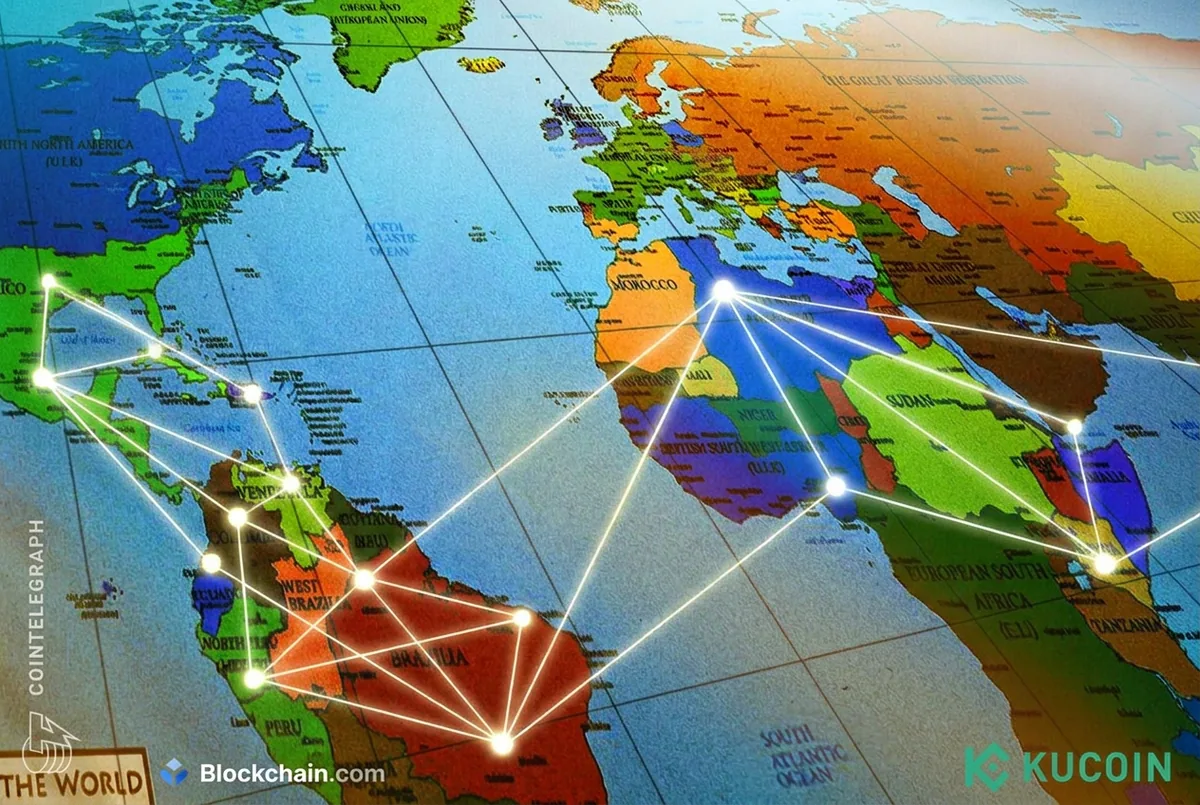
Blockchain.com and KuCoin have expanded their payment infrastructure efforts across several emerging markets. Blockchain.com launched a payments platform focused on businesses in Brazil, while KuCoin added integrations with banking and mobile-money networks in Mexico, Bangladesh and Zambia.

Blockchain.com and KuCoin have expanded their payment infrastructure efforts across several emerging markets. Blockchain.com launched a payments platform focused on businesses in Brazil, while KuCoin added integrations with banking and mobile-money networks in Mexico, Bangladesh and Zambia.

The developments matter because payment access remains a key practical test for digital assets. By connecting crypto services with business payment tools, banks and mobile-money systems, companies can make it easier for users and merchants to move between digital assets and local financial rails.

For Blockchain.com, the Brazil-focused platform is aimed at businesses, placing the company more directly in the market for crypto-linked commercial payment services. Brazil has been an important market for digital-asset adoption, and business-facing infrastructure can play a role in how crypto services are used beyond trading.

KuCoin’s integrations extend across three different markets: Mexico, Bangladesh and Zambia. The expansion connects its services to banking and mobile-money networks, a relevant channel in regions where mobile payments and local financial access can shape how users interact with digital assets.

The announcements reflect a broader push among crypto platforms to make digital assets more usable through existing payment systems. They do not change the risks attached to crypto markets, but they show how major industry companies are trying to build more direct links between blockchain-based services and everyday financial infrastructure.
Source: Cointelegraph

Keep exploring

Related stories

Bitget to Leave Japan and Close Remaining Positions by Year-End

Bitget to Leave Japan and Close Remaining Positions by Year-End

Bitget plans to exit the Japanese market and close all remaining positions by the end of the year. The move adds to ongoing shifts among crypto companies navigating Japan’s regulatory environment.

Read
State of Crypto countdown highlights key industry developments

State of Crypto countdown highlights key industry developments

CoinDesk’s State of Crypto coverage counts down recent developments shaping the crypto policy and market landscape. The report frames these changes as important for how companies and participants navigate the sector.

Read
Strategy Keeps STRC Dividend at 12%

Strategy Keeps STRC Dividend at 12%

Strategy said it is holding the dividend on its STRC preferred stock at 12%. The decision keeps the payout unchanged for investors in the company’s yield-focused security.

Read