Bitcoin Climbs to Two-Week High as US-Iran Deal Eases Oil Fears

Bitcoin rose above $65,500 after the U.S. and Iran reached a deal to end hostilities and reopen the Strait of Hormuz. The move lifted crypto and broader risk assets as oil prices fell, though questions around institutional demand remain.

Bitcoin Climbs to Two-Week High as US-Iran Deal Eases Oil Fears

What happened?

Bitcoin rose above $65,500 after the U.S. and Iran reached a deal to end hostilities and reopen the Strait of Hormuz. The move lifted crypto and broader risk assets as oil prices fell, though questions around institutional demand remain.

Why it matters

The development matters because the agreement reduced fears of energy-supply disruption, a pressure point that had weighed on global markets. Brent crude fell more than 4% toward $83 a barrel as traders removed some of the geopolitical premium from oil, while Asian equities and U.S. stock futures also moved higher.

Bitcoin climbed to its highest level in nearly two weeks on Monday after the United States and Iran reached a deal to end hostilities and reopen the Strait of Hormuz. The cryptocurrency traded around $65,844, up 2.1% over 24 hours, after briefly falling near $63,722 earlier in Asian trading, according to CoinDesk data.

The development matters because the agreement reduced fears of energy-supply disruption, a pressure point that had weighed on global markets. Brent crude fell more than 4% toward $83 a barrel as traders removed some of the geopolitical premium from oil, while Asian equities and U.S. stock futures also moved higher.

The crypto rally extended beyond bitcoin. Ether rose 2.5% to $1,721, solana gained 3.6% to $71, XRP added 3.2% to $1.19, and BNB and dogecoin each advanced more than 1%. Hyperliquid’s HYPE token was among the strongest performers, rising 7.5% to nearly $65.

The market reaction followed earlier weakness in bitcoin, which had slipped below $60,000 last week to its lowest level since October 2024. CoinDesk noted that rising oil prices tied to Iran tensions had reinforced expectations for higher interest rates, which in turn weighed on risk assets including crypto.

Still, the rebound does not resolve every concern facing the market. Analysts cited by CoinDesk pointed to lingering questions around institutional demand, including ETF outflows and Strategy’s recent disclosure that it sold 32 bitcoin to fund preferred share dividends. Those issues could determine whether the risk-on move continues after the Iran-related relief trade is absorbed.

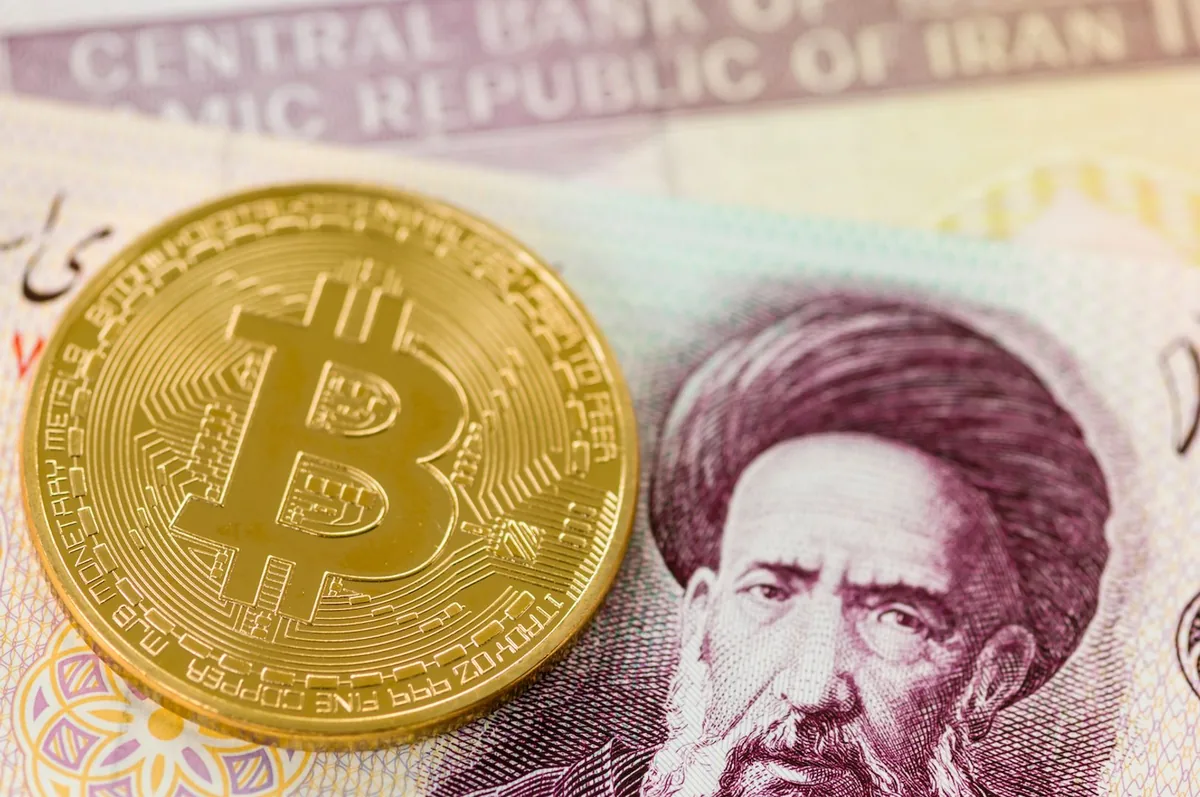
Source: CoinDesk

Keep exploring

Related stories

Bitget to Leave Japan and Close Remaining Positions by Year-End

Bitget to Leave Japan and Close Remaining Positions by Year-End

Bitget plans to exit the Japanese market and close all remaining positions by the end of the year. The move adds to ongoing shifts among crypto companies navigating Japan’s regulatory environment.

Read
State of Crypto countdown highlights key industry developments

State of Crypto countdown highlights key industry developments

CoinDesk’s State of Crypto coverage counts down recent developments shaping the crypto policy and market landscape. The report frames these changes as important for how companies and participants navigate the sector.

Read
Strategy Keeps STRC Dividend at 12%

Strategy Keeps STRC Dividend at 12%

Strategy said it is holding the dividend on its STRC preferred stock at 12%. The decision keeps the payout unchanged for investors in the company’s yield-focused security.

Read