AI Infrastructure Trade Weakens as Chip Stocks Face Reality Check

AI-linked semiconductor and memory stocks came under pressure after Samsung reported record quarterly profit but missed revenue expectations. The pullback reflects growing investor doubts over whether the AI infrastructure spending boom can keep supporting elevated chip-stock valuations.

AI Infrastructure Trade Weakens as Chip Stocks Face Reality Check

What happened?

AI-linked semiconductor and memory stocks came under pressure after Samsung reported record quarterly profit but missed revenue expectations. The pullback reflects growing investor doubts over whether the AI infrastructure spending boom can keep supporting elevated chip-stock valuations.

Why it matters

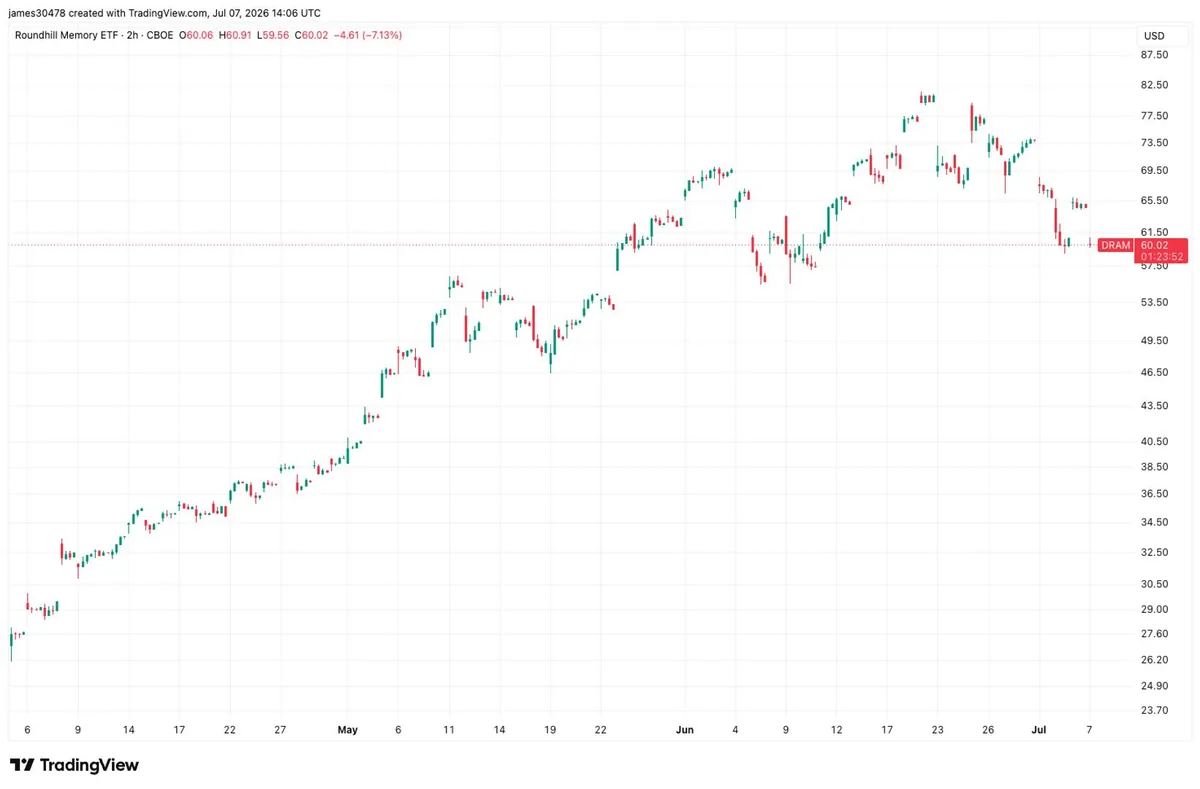
The AI infrastructure trade showed fresh signs of fatigue Tuesday as semiconductor and memory stocks sold off despite Samsung Electronics reporting record second-quarter profit. Samsung shares fell nearly 7% after the company missed revenue estimates, while Micron Technology and Sandisk also came under pressure.

The AI infrastructure trade showed fresh signs of fatigue Tuesday as semiconductor and memory stocks sold off despite Samsung Electronics reporting record second-quarter profit. Samsung shares fell nearly 7% after the company missed revenue estimates, while Micron Technology and Sandisk also came under pressure.

The move matters because AI chip and memory makers have been among the market’s strongest trades, supported by expectations that hyperscalers will keep spending heavily on data centers, GPUs and high-bandwidth memory. The latest weakness suggests investors are starting to question whether those expectations have become too aggressive.

The pullback follows a sharp rally in AI infrastructure names this year. According to CoinDesk, Sandisk had gained more than 525%, Micron was up over 120%, and SK Hynix had risen roughly 225% in 2026 before the latest reassessment. SK Hynix is now down 25% from its all-time high ahead of a U.S. listing this week, a deal CoinDesk said is also drawing investor capital away from existing chip stocks.

Another pressure point is the rise of lower-cost AI ecosystems. China’s Zhipu AI is exploring a custom AI chip as demand grows for its open-source GLM models, highlighting a possible shift toward domestic hardware and more efficient models rather than reliance on the most advanced U.S. chips.

For crypto markets, the issue is capital allocation. CoinDesk noted that bitcoin and the broader crypto market have suffered from the AI trade over the past year; if enthusiasm for AI infrastructure continues to fade, crypto bulls may watch for signs that capital rotates back toward digital assets.

Source: CoinDesk

Keep exploring

Related stories

Bitget to Leave Japan and Close Remaining Positions by Year-End

Bitget to Leave Japan and Close Remaining Positions by Year-End

Bitget plans to exit the Japanese market and close all remaining positions by the end of the year. The move adds to ongoing shifts among crypto companies navigating Japan’s regulatory environment.

Read
State of Crypto countdown highlights key industry developments

State of Crypto countdown highlights key industry developments

CoinDesk’s State of Crypto coverage counts down recent developments shaping the crypto policy and market landscape. The report frames these changes as important for how companies and participants navigate the sector.

Read
Strategy Keeps STRC Dividend at 12%

Strategy Keeps STRC Dividend at 12%

Strategy said it is holding the dividend on its STRC preferred stock at 12%. The decision keeps the payout unchanged for investors in the company’s yield-focused security.

Read