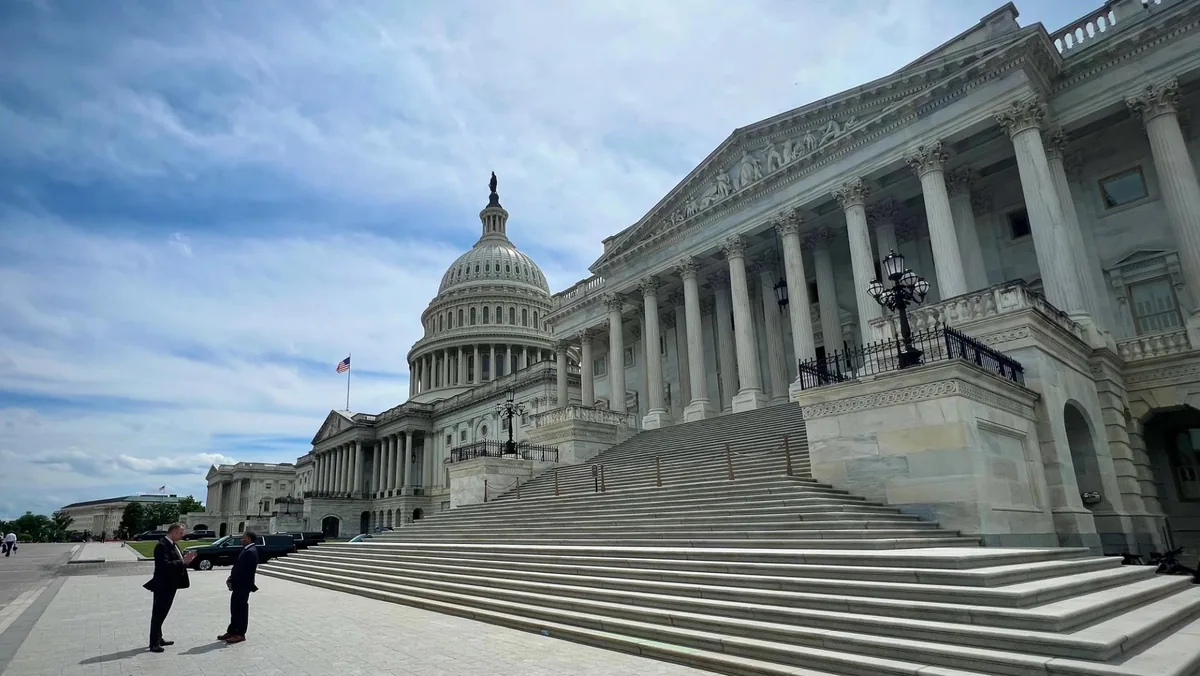
Two major internet safety efforts moved forward on June 29 while keeping age verification at the center of their approach, according to a CoinDesk opinion article by Evin McMullen, co-founder and CEO of Billions Network. In the U.S., the House passed the Kids Internet and Digital Safety Act, which includes a revised Kids Online Safety Act, by 267 to 117. In Europe, negotiators met for what was described as the final trilogue on Chat Control 2.0, the EU’s child-protection proposal.
The article says both measures retreated from heavily criticized elements: U.S. authors dropped KOSA’s “duty of care,” while EU negotiators dropped mandatory client-side scanning of private messages. McMullen argues, however, that age verification remains a major unresolved privacy issue because confirming whether a user is old enough can require checking adults as well as minors.
For readers in the crypto and digital identity space, the issue matters because it sits directly on the boundary between online safety, privacy infrastructure and verifiable identity. McMullen argues that broad age checks could create centralized stores of sensitive identity data, increasing risks for users and adding new security obligations for platforms that were not built to hold government IDs or biometric scans.
The article points to the U.K. as an early example, citing the Online Safety Act, Ofcom investigations and fines, and reports of users being asked for government IDs or face scans to access ordinary content. It also highlights the risk of vendor concentration, saying one provider reportedly powers age checks for about 60% of sites that require them.
McMullen’s proposed alternative is to separate age verification from identity collection. The article says zero-knowledge proofs can allow a user to show they are over a required age threshold without revealing a name, birth date or document. It notes that the EU’s own age-verification app is designed to let users prove they are over 18 without sharing other personal information, but argues that laws often require only the age gate, not the privacy-preserving method.
The piece frames the current policy moment as a technical choice with civil-liberties consequences. McMullen argues that lawmakers can still require privacy-preserving proofs for age checks, and says the same architecture may become important as AI agents begin needing to prove permissions without exposing the people or organizations behind them.